Financing a painting project: payment plans and insurance coverage
By Dana Whitfield · Updated 2026-07-28
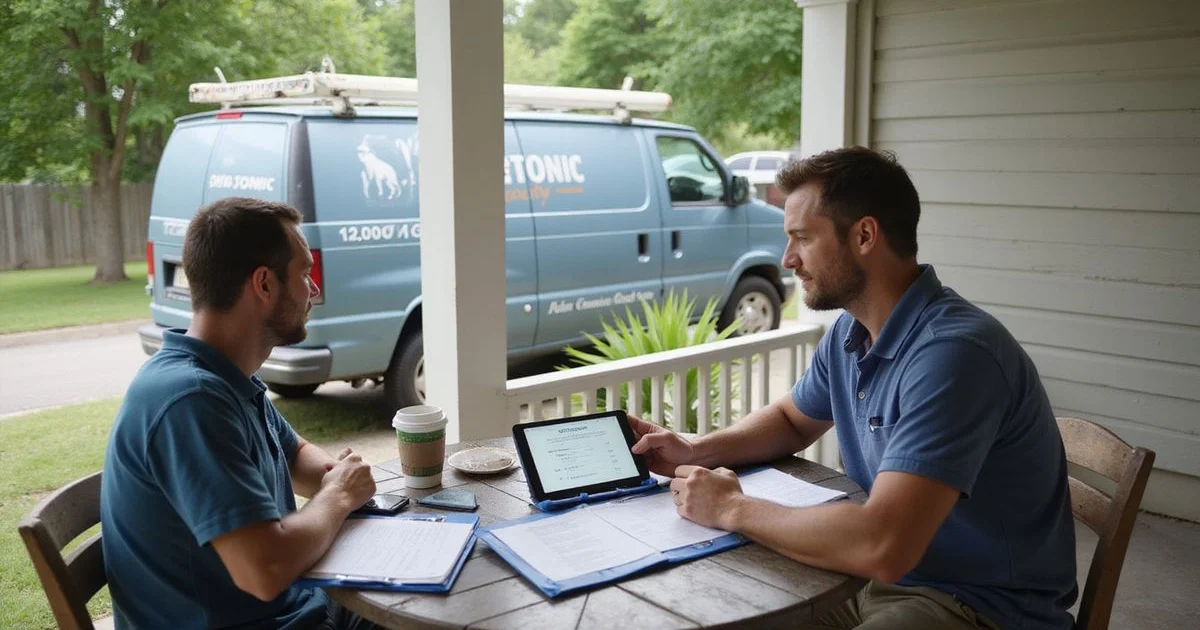
Paint is one of the more affordable ways to refresh a home, but a full interior or exterior job still runs into real money, and not everyone wants to pay the full amount upfront. This guide covers when insurance actually applies and what financing options genuinely exist.
When insurance covers a repaint
Homeowners insurance is not designed to cover routine maintenance or wear, so a fading exterior or a scuffed hallway on its own will not qualify. Coverage typically kicks in only when repainting is needed to restore damage from a covered event:
- Water damage from a burst pipe, roof leak, or appliance failure that stains or damages walls and ceilings.
- Fire damage, including smoke staining that requires priming and repainting affected rooms.
- Storm damage to exterior siding or trim, depending on your specific policy and the cause of the damage.
Even in these cases, coverage generally applies to restoring the space to its prior condition, not upgrading it. If you use a covered claim as an opportunity to also change colors or upgrade to a premium paint elsewhere in the space, that difference in cost is typically on you. Always confirm details directly with your insurance provider, since policies and coverage limits vary.
Financing options, realistically compared
| Option | How it works | Best fit |
|---|---|---|
| Painter’s in-house or partner financing | Fixed monthly payments through a third-party lender the painter works with | Larger jobs where the painter offers this directly |
| 0% intro APR credit card | No interest if paid off within the promotional window, interest applies after | Smaller to mid-size jobs you can pay off in 6-18 months |
| Personal loan | Fixed rate, fixed term, predictable monthly payment | Larger projects paid off over a longer period |
| Staged payments with the painter | Deposit, progress payment, final balance, no interest | Any job, mainly helps cash flow rather than reducing total cost |
Financing spreads the cost out but generally does not reduce it, and most options beyond staged payments involve interest. Compare the total cost over the full repayment period, not just the monthly payment, before choosing.

Questions worth asking before you commit to financing
Ask what the interest rate actually is once any promotional period ends, whether there are prepayment penalties, and whether the painter receives a commission for referring you to a specific lender, which can sometimes mean better terms exist elsewhere if you shop around independently.
Filing an insurance claim for storm or water damage
If a repaint is genuinely tied to a covered event, document the damage with photos before any cleanup or repair work starts, and contact your insurer before hiring a painter if possible. Some policies require the insurer’s approval or a specific claims process before work begins, and starting repairs first can complicate reimbursement. Get a written estimate from the painter that clearly separates the damage-related work from any unrelated upgrades, since an adjuster will want to see that the claimed amount matches the covered damage rather than a broader project.
Combining financing with a phased project
For homeowners who want a full exterior and interior repaint but cannot cover the whole cost at once, phasing the project over two seasons is a reasonable middle ground between financing and delaying entirely. Painting the exterior this year and the interior next, for example, spreads the cost across two budget cycles without taking on debt, though it does mean living with an unfinished project for longer. Comparing what exterior painting costs in Bridgeport and Stamford against what interior painting costs in Bridgeport and Stamford makes it easier to decide which half to tackle first. Whether financing or phasing makes more sense usually comes down to how much the interest cost weighs against the value of getting everything done at once.
This is general information about how financing and insurance commonly work for painting projects, not financial advice specific to your situation. Your insurance policy’s actual terms and any financing offer’s real cost should be confirmed directly with your provider or lender before you sign anything.
Ready to get quotes to compare against financing options? Visit the homepage to browse painters, or check the methodology page to see how this directory scores listings.
Common questions
- Does homeowners insurance cover interior painting?
- Not for normal wear and aging. It generally only applies if the need for repainting comes from a covered event, like water damage from a burst pipe, a fire, or storm damage, and even then it typically covers restoring the space rather than a cosmetic upgrade.
- Do painting companies offer financing directly?
- Some do, especially for larger jobs like a full exterior repaint, often through a third-party lender offering fixed monthly payments. Ask upfront whether financing is available and what the interest terms look like before committing.
- Is a personal loan or credit card a better option for a paint job?
- It depends on your rate. A 0% introductory credit card offer can work well if you can pay it off before the promotional period ends. A personal loan with a fixed rate is often more predictable for larger projects paid off over a longer period.
- Can I pay for a paint job in stages?
- Most painters structure payment in stages already: a deposit for materials, a progress payment partway through, and a final balance on completion. This is different from financing, but it does spread the cost out somewhat.