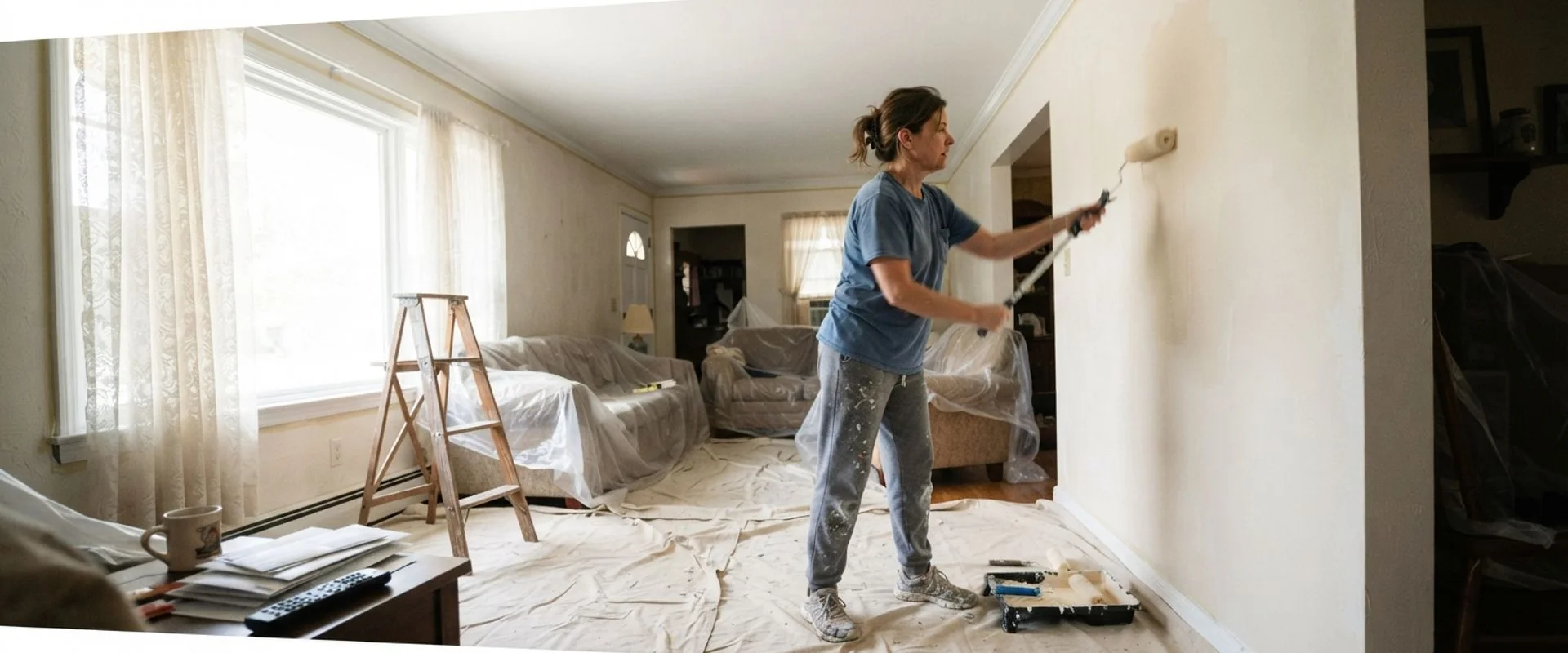
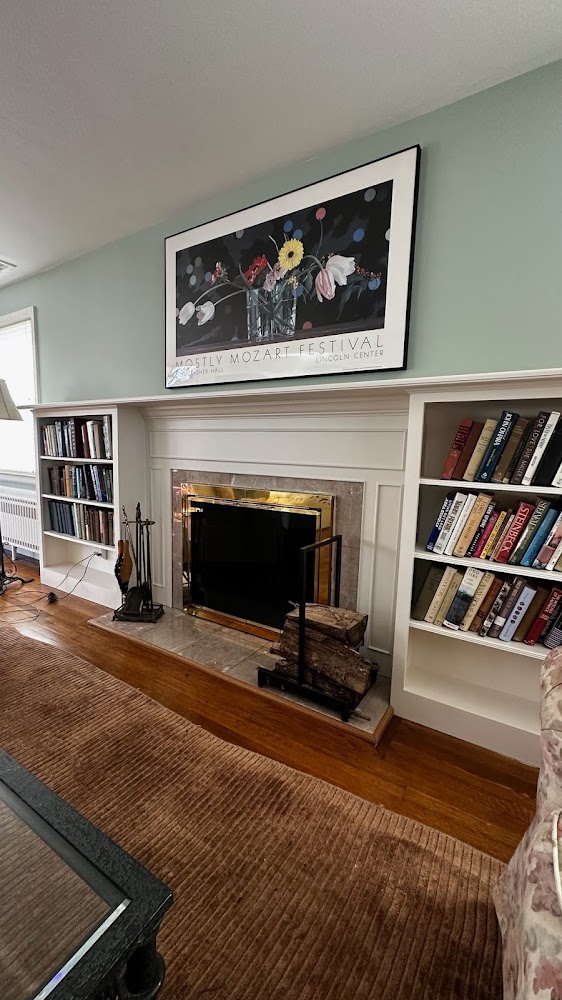
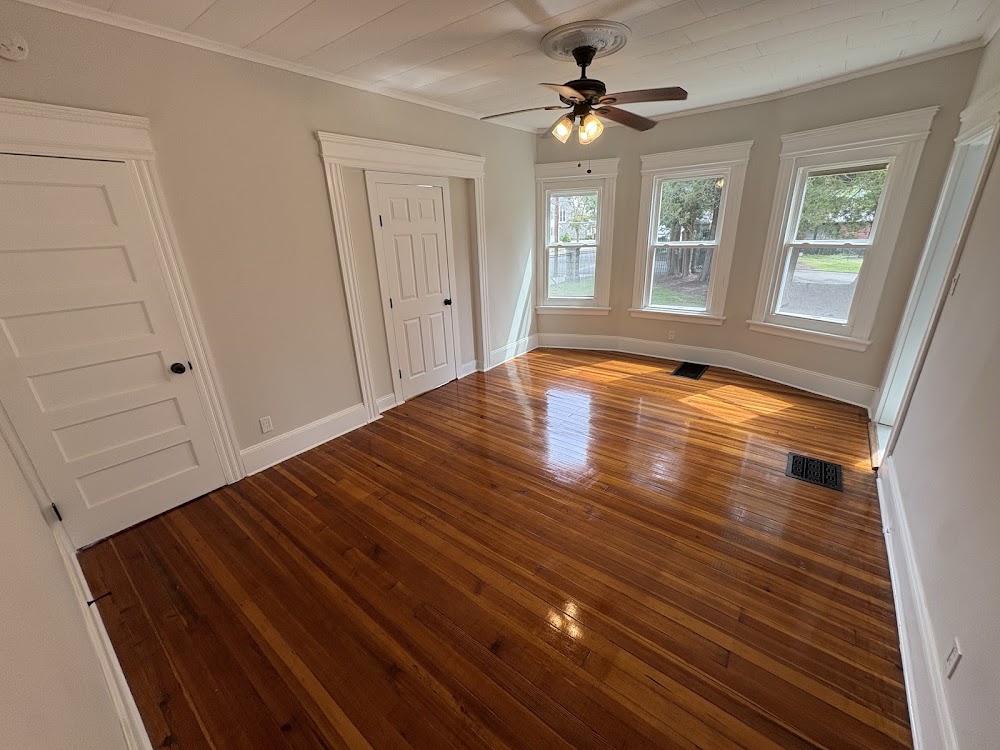
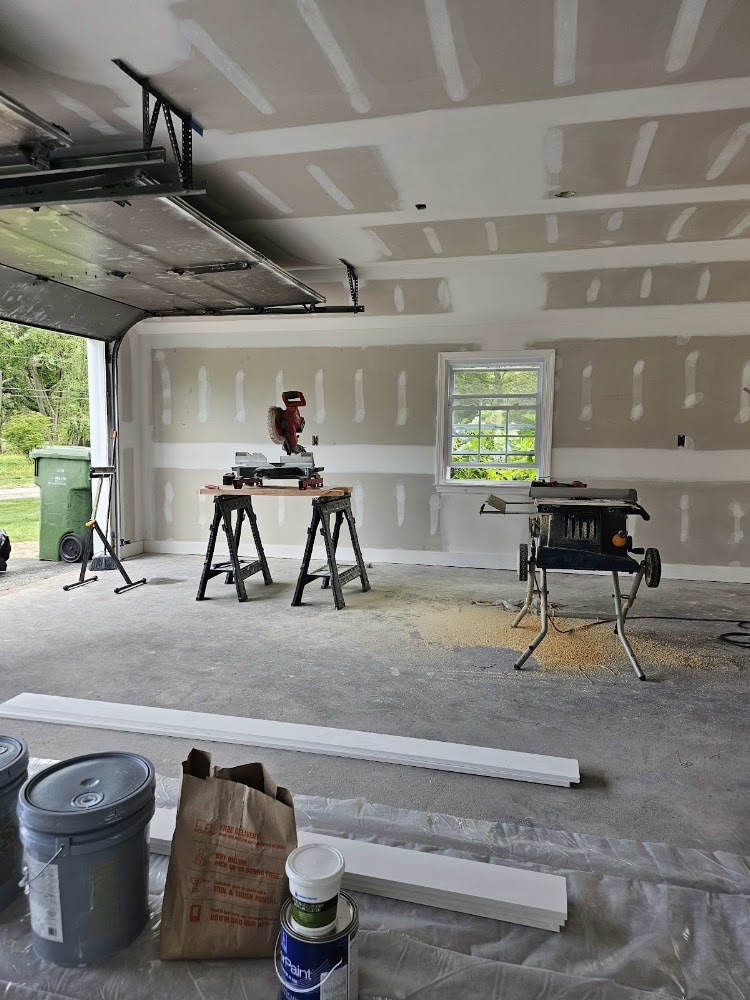
Interior painting covers everything from a single accent wall to a full whole-house repaint: walls, ceilings, trim, doors, and cabinetry. In New Britain's older triple-deckers and colonials, that often means extra prep work first, patching plaster cracks, scraping peeling paint, sanding old trim, and priming water stains or bare wood before a single coat of finish paint goes on. A contractor who skips prep can leave you with a job that looks fine on move-out day and starts peeling or flashing within a year.
What the job typically includes
- Prep work: moving or covering furniture, taping and masking, patching holes and cracks, sanding, and spot-priming.
- Painting: usually two coats of finish paint on walls, with separate treatment for ceilings (often flat white) and trim or doors (semi-gloss or satin for durability).
- Cleanup: removing tape and plastic, touch-ups, and hauling away debris.
What to check before you hire
- A written estimate that breaks out labor, paint brand and grade, and how many coats are included.
- Proof of liability insurance, since paint spills and ladder work carry real risk in occupied homes.
- Whether they handle lead-safe work practices if your house was built before 1978, which is common in New Britain's housing stock.
- A clear plan for furniture protection and dust control, especially if you're painting while living in the space.
- References or photos from similar interior jobs, not just exterior work.
Our ranked guide to New Britain painters lists all 13 businesses in this category side by side, scored on the factors above along with responsiveness and consistency of past work. See our methodology for exactly how we weigh and verify each factor, so you can decide how much weight to put on the ranking versus your own priorities like price or scheduling.