How to verify a painter is licensed and insured in Connecticut
By Dana Whitfield · Updated 2026-06-09
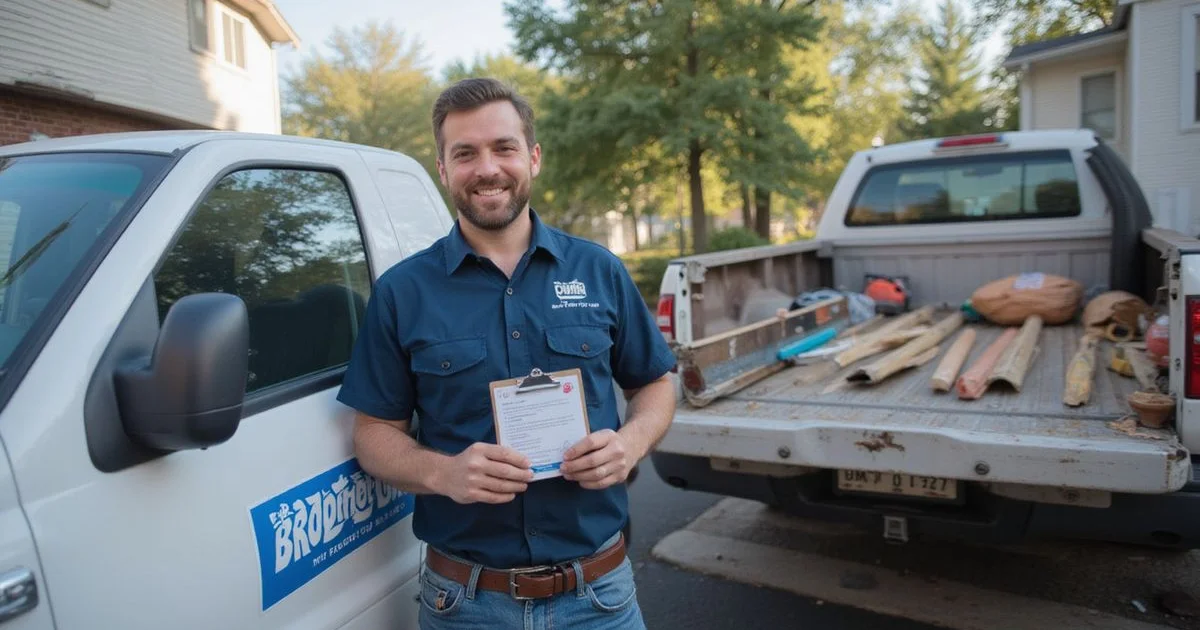
“Licensed and insured” shows up in almost every painter’s ad, but it rarely comes with an explanation of what that actually protects you from, or how to check it is true rather than taking someone’s word for it. This guide walks through what each term means in Connecticut and the specific questions to ask before you sign anything.
What “licensed” means for a Connecticut painter
Connecticut does not issue a separate trade license for painters the way it does for electricians or plumbers. Instead, anyone performing home improvement work on residential property, including painting, is required to register as a Home Improvement Contractor (HIC) through the state Department of Consumer Protection. That registration number should be printed on contracts and invoices.
Registration is not a guarantee of quality, but it does mean the contractor is operating within the law and gives you a path to file a complaint if something goes badly wrong. A painter who cannot produce an HIC number, or who gets vague when you ask for one, is worth pausing on.
What “insured” actually covers
Insurance is really two separate things:
- General liability insurance covers property damage, like paint dripped on your hardwood floors or a ladder that cracks a window.
- Workers’ compensation insurance covers medical costs if a worker is injured on your property. Without it, you could be liable for those costs on your own homeowner’s policy.
A legitimate painting business can produce a certificate of insurance (COI) on request, usually within a day. It names the company as the insured party, lists policy dates, and shows coverage limits for both liability and, if they have employees, workers’ comp.
How to actually verify it, step by step
- Ask for the HIC registration number and look it up on the Connecticut Department of Consumer Protection’s contractor search to confirm it is active and matches the business name on your quote.
- Request a certificate of insurance directly from the painter, not just a claim that they are “fully insured.”
- Call the insurance agent or broker listed on the COI to confirm the policy is real and currently active. A legitimate policy holds up to this call without hesitation.
- Check that the coverage dates span your project, including any likely delays from weather.
- Ask whether subcontractors are covered under the same policy if the crew includes anyone who is not a direct employee.

Why this step gets skipped, and why it should not
Most homeowners hiring a painter for a straightforward interior job never think to ask for paperwork, because most jobs go fine. The problem is that the cost of skipping this check is not evenly spread: it is small on a good job and large on a bad one. A dropped ladder through a bay window or a worker injury with no comp coverage can turn a $3,000 paint job into a five-figure dispute.
| Check | Who to ask | What confirms it |
|---|---|---|
| HIC registration | The painter, then the state DCP database | Active status, matching business name |
| General liability insurance | The painter’s insurance agent | Certificate names the company, active dates |
| Workers’ compensation | The painter’s insurance agent | Certificate lists coverage for all workers on site |
This is general information about Connecticut licensing and insurance practices, not legal advice. If a dispute comes up, a Connecticut-licensed attorney or the Department of Consumer Protection can advise on your specific situation.
A note on umbrella and excess coverage
For larger jobs, like a full exterior repaint on a big home or a commercial project, it is reasonable to ask whether the painter’s liability limits are adequate for the scale of the work. A standard policy that comfortably covers a small interior job may be thinner than ideal for a project with more equipment, more workers on site, and more property exposure. Painters who regularly take on larger jobs often carry higher limits or an umbrella policy on top of a base general liability policy, and it is a fair question to ask directly rather than assume.
Keeping records for your own protection
Once you have verified a painter’s HIC registration and insurance, keep a copy of the certificate of insurance and the registration number with your project paperwork. If a dispute or damage claim comes up months later, having that documentation on hand makes the process faster than trying to track it down after the fact, especially if the painter is difficult to reach at that point.
If you are hiring on behalf of a rental property, the landlord and tenant painting responsibilities in Connecticut guide covers who is on the hook for arranging and paying for the work before you sign anything.
Painters in this directory’s licensed and insured category are a reasonable starting point for a search, but the verification steps above apply no matter where you find a painter. For more on how listings here are scored, see the methodology page, or head back to the homepage to browse current listings.
Common questions
- Does Connecticut require painters to be licensed?
- Connecticut requires anyone doing home improvement work, including painting, on residential property to register as a Home Improvement Contractor (HIC) with the Department of Consumer Protection. Ask for the registration number and confirm it is current.
- What is the difference between licensed and insured?
- Licensed (or registered) means the contractor is legally permitted to do the work. Insured means they carry general liability coverage, and ideally workers' compensation, so you are not on the hook if something goes wrong on the job.
- What should a certificate of insurance actually show me?
- It should name the painting company as the insured, list an active policy period that covers your project dates, and show liability coverage limits. You can call the insurance agent listed on the certificate to confirm it is real and active.
- Is a painter without workers' comp insurance a dealbreaker?
- For any job involving more than one worker, yes. Without it, an injury on your property during the job could become your financial responsibility.