Lead paint law in Connecticut: what older-home owners need to know
By Dana Whitfield · Updated 2026-08-02
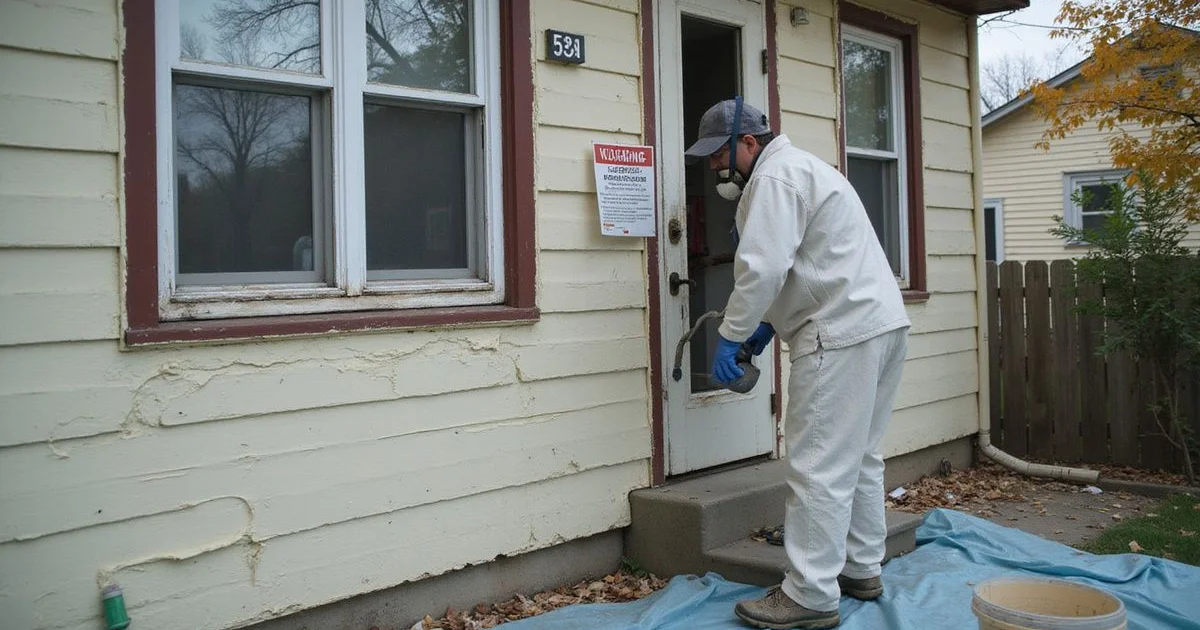
If your home in Bridgeport or Stamford was built before 1978, a repaint is not just a paint color decision, it may fall under a federal rule that changes how the work legally has to be done. Here is what the rule actually requires and what to check before hiring anyone.
Why 1978 is the cutoff
Lead-based paint was commonly used in residential construction until it was banned for that purpose in 1978. Homes built before that year may have layers of lead paint under newer coats, even if the home has been repainted several times since. Disturbing that old paint, through scraping, sanding, or heavy prep work, can release lead dust into the air and onto surfaces in the home.
What the EPA RRP rule requires
The federal Renovation, Repair, and Painting (RRP) rule applies to contractors working on pre-1978 homes and child-occupied facilities when the work disturbs more than a small amount of paint. Certified contractors are required to:
- Assume lead is present in pre-1978 homes unless a certified inspector has tested and ruled it out.
- Contain the work area, typically with plastic sheeting sealing off the space, to prevent dust and debris from spreading.
- Use lead-safe work practices, including specific cleanup and disposal methods rather than standard sweeping or vacuuming.
- Verify the cleanup with a specific dust-clearance test before the containment comes down, in many cases.
Contractors are legally required to complete EPA-approved training and hold RRP certification to perform this work on covered properties.
What this means when you hire a painter
Ask directly whether the painter is EPA RRP certified if your home was built before 1978, and ask to see the certification rather than accepting a verbal yes. A certified contractor should be able to describe their containment plan without hesitation, since it is a routine part of how they operate on older homes. This is on top of, not instead of, the usual checks: how to verify a painter is licensed and insured in Connecticut covers confirming HIC registration and insurance alongside RRP certification.
| Home age | What to expect |
|---|---|
| Built 1978 or later | No RRP requirement applies |
| Built before 1978 | Contractor should be RRP certified and describe containment practices before starting |
| Uncertain build year | Ask the painter how they determine whether RRP practices apply; many will default to lead-safe practices when in doubt |

The cost of skipping this step
Hiring a contractor without RRP certification for a covered home is not just a compliance issue, it also raises real exposure risk for anyone living in or visiting the home during and after the work, particularly children. It can also expose the homeowner to liability if lead contamination is later traced back to improperly contained renovation work.
What if you are not sure your home was built before 1978
Property records through your town’s assessor’s office typically list a build year, and that is the most reliable first check if you are unsure. Additions or major renovations sometimes complicate the picture, since an addition built after 1978 attached to an older core structure may still involve older paint in parts of the home. When in doubt, a reasonable, cautious approach is to ask any contractor how they plan to handle the uncertainty rather than assuming the newer parts of the home are automatically exempt.
Renovating gradually versus all at once
Some homeowners choose to break a large exterior or whole-house repaint into smaller phases specifically to manage lead-safe containment costs, since containment and cleanup add time and expense per project regardless of scope. Whether that approach makes sense depends on your budget and timeline, but it is worth discussing directly with your contractor if the added cost of RRP compliance is a significant factor in your decision.
This is general information about a federal regulation and how it commonly applies, not legal advice. If you have specific concerns about lead paint in your home, a certified lead inspector or a Connecticut-licensed attorney can advise on your situation. A certified inspector can also perform a paint chip or dust wipe test to confirm whether lead is actually present, which gives a more definitive answer than assuming based on the home’s age alone.
For more on how painters are evaluated in this directory, see the methodology page, or visit the homepage to browse listings.
Common questions
- Which homes does the lead paint rule apply to?
- Homes and child-occupied facilities built before 1978, when lead-based residential paint was banned nationally. Many homes in Bridgeport and Stamford's older neighborhoods fall into this category.
- Do I have to test my home for lead paint before hiring a painter?
- Testing is not always required, but if your home was built before 1978 and any work will disturb more than a small area of paint, contractors are required to assume lead is present unless a certified test proves otherwise.
- What makes a contractor certified for lead-safe work?
- They complete EPA-approved training on containment, cleanup, and safe work practices and receive an EPA RRP (Renovation, Repair, and Painting) certification. Ask to see this certification directly rather than taking a verbal assurance.
- What happens if a contractor does not follow lead-safe practices on an older home?
- Beyond the legal exposure for the contractor, improper containment can spread lead dust through your home, which is a real health risk, especially for young children and pregnant women.