Lead paint safety for kids and pets during a repaint
By Dana Whitfield · Updated 2026-08-20
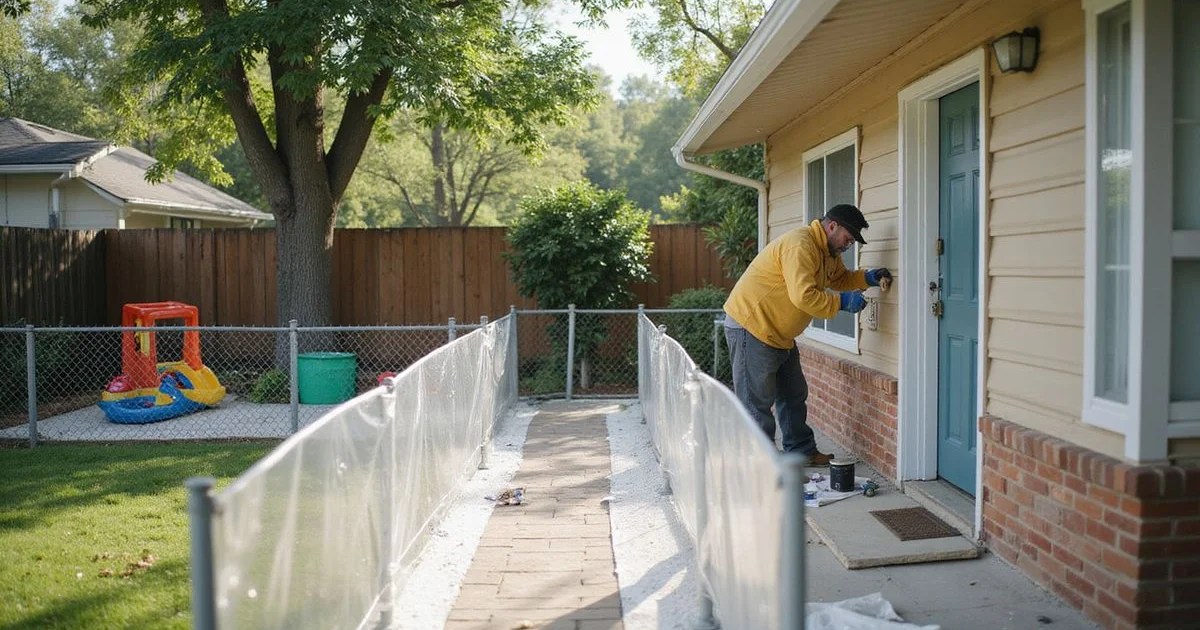
Hiring an EPA RRP certified painter handles the legal and containment side of a repaint in an older home, but there is more a household with young children or pets can do to reduce exposure risk during the project itself.
Why kids and pets face more risk
Children under six are most at risk from lead exposure because their bodies absorb lead more readily than adults, and normal toddler behavior, crawling on floors and putting hands in their mouths, increases contact with settled dust. Pets face a related risk: dust that settles on fur or paws can be ingested during normal grooming, and pets spend more time low to the ground where dust settles most.
This is general information, not medical advice. If you have specific concerns about lead exposure for a child or pet in your household, a pediatrician or veterinarian can advise on testing and next steps. Lead dust is not the only air-quality question a repaint raises; is it safe to be home while your house is being painted covers what paint fumes add on top of dust exposure.
Precautions beyond what the contractor handles
A certified contractor’s containment plan covers the legal minimum for the work area itself. These additional steps add a margin of safety for your household:
- Keep kids and pets out of the active work zone entirely, not just during work hours but between visits too, until the area is confirmed clean.
- Close doors and use draft stoppers to limit dust migration into adjacent rooms, in addition to the contractor’s plastic sheeting.
- Wash hands and paws after any time spent near the work area, even outside the sealed zone, since dust can travel further than expected.
- Wash children’s toys and pet bedding that were in or near the work area before the project, as a precaution even after cleanup is complete.
- Ask about the cleanup verification step. A proper job includes a dust-clearance check before containment comes down. Ask to see or hear about the result before treating the space as safe again.
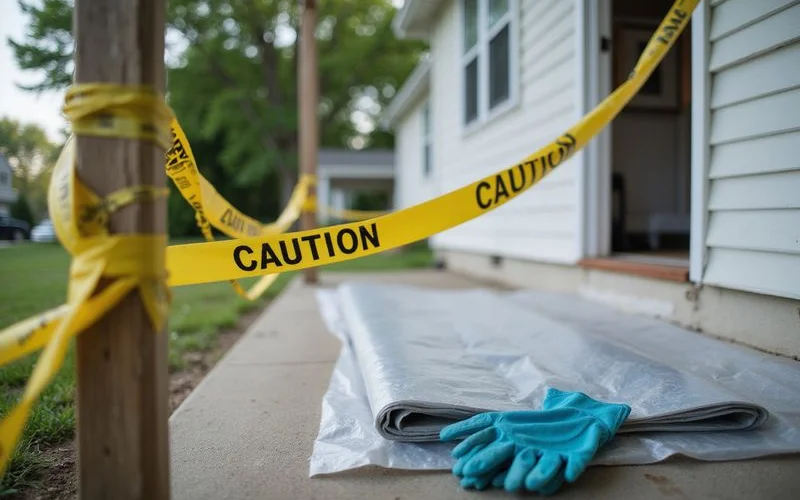
A simple household checklist
| Before work starts | During the project | After cleanup |
|---|---|---|
| Confirm contractor is RRP certified | Keep kids and pets out of the work zone | Ask for confirmation cleanup passed inspection |
| Move toys, bedding, food/water bowls away from the area | Wash hands and paws after time near the zone | Wash items that were near the work area |
| Discuss the containment plan with the contractor | Keep doors closed to limit dust migration | Consider a blood lead test if you have concerns |
When to loop in a doctor
If your child spends time in a home undergoing lead-safe renovation work, mentioning it to their pediatrician at the next visit is a reasonable, low-effort precaution, even without specific symptoms. A blood lead level test is simple and gives peace of mind either way.
Planning around nap schedules and pet routines
Beyond the physical precautions, it helps to plan the project’s timing around your household’s routine. A toddler’s nap schedule or a dog’s usual yard access can make it harder to consistently keep them away from a work zone if the crew is on-site during those same hours. Talking through the daily schedule with your contractor before work starts, including when they plan to be actively scraping or sanding versus doing quieter setup or cleanup work, makes it easier to plan around the times when dust exposure risk is highest.
Renting versus owning, and who handles containment
If you rent an older home, lead-safe containment during any renovation is generally the landlord’s responsibility to arrange through their contractor, not something a tenant is expected to manage alone. If you notice peeling or deteriorating paint in a pre-1978 rental and are not aware of any planned remediation, raising it with your landlord in writing is a reasonable first step, particularly if young children are in the household. The landlord and tenant painting responsibilities in Connecticut guide covers the broader picture of who is on the hook for maintenance and repairs in a rental.
After the work is done
Even after cleanup passes inspection, it is a reasonable habit to do an extra round of damp-wiping on floors, windowsills, and any surfaces near the former work area for a week or two afterward, since a small amount of settled dust can persist in corners and crevices that a standard cleanup misses. Vacuum cleaners without a HEPA filter can actually spread fine dust rather than capturing it, so a damp cloth or mop is generally the safer choice for this kind of follow-up cleaning.
For more on EPA RRP requirements themselves, see this directory’s methodology page for how painters are evaluated, or visit the homepage to browse listings.
Common questions
- Should children stay out of the house during lead-safe painting work?
- For the areas actively being worked on, yes. A properly contained work zone limits dust spread, but keeping kids and pets away from that specific area during active scraping or sanding adds an extra layer of safety.
- Can pets be harmed by lead dust the same way children can?
- Yes. Pets that spend time on floors near a work area can pick up dust on their fur or paws and ingest it while grooming, so keeping them out of the work zone matters too.
- How do I know if my child has been exposed to lead dust?
- A blood lead level test, ordered by a pediatrician, is the standard way to check. If you suspect exposure during a renovation, mention it directly to your child's doctor.
- Is it safe to move back into a room right after lead-safe work is finished?
- A properly completed job includes a cleanup and clearance step before containment comes down. Ask your contractor to confirm cleanup is complete and the area has passed inspection before letting kids or pets back in.