Mold and mildew before you paint: health risks and what to do about them
By Dana Whitfield · Updated 2026-07-18
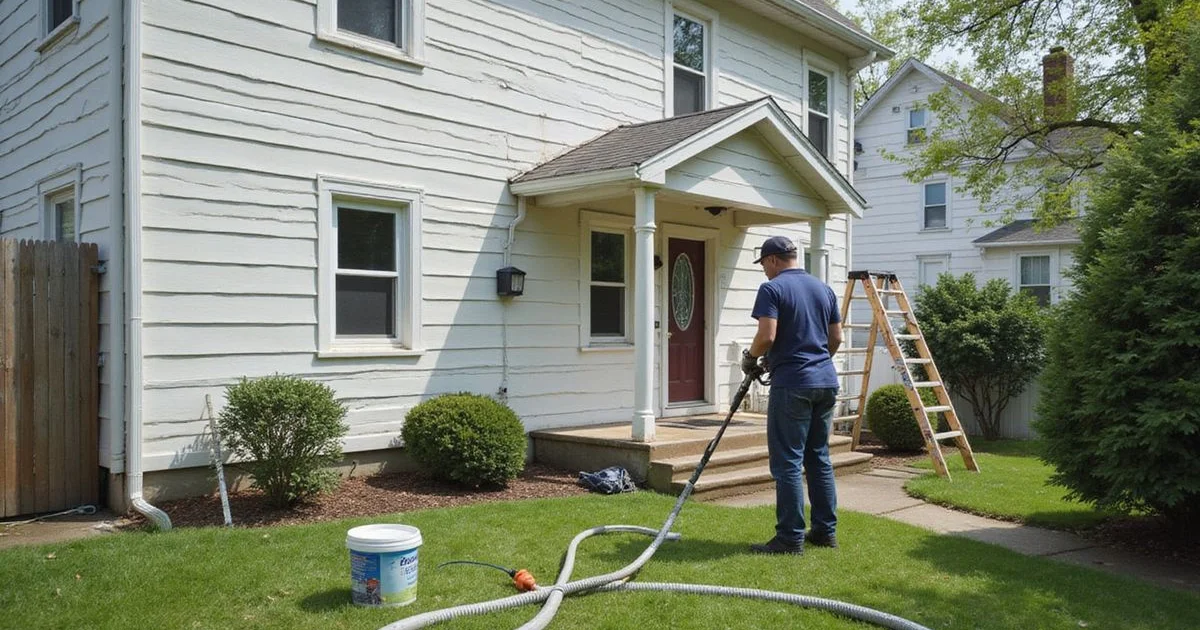
Mold and mildew are common on the exterior of homes in humid climates, and they show up inside too, especially in bathrooms, basements, and around windows with condensation. Painting over them without addressing the cause is one of the most common reasons a paint job fails within a year or two. Here is what the health risk actually is and how proper prep handles it.
Why you cannot just paint over it
Paint is not a sealant against biological growth. Mold and mildew feed on organic material and moisture, and a layer of paint does not remove either. In many cases, trapping mold under fresh paint creates a more humid, dark environment underneath the surface, which can accelerate growth rather than stop it. The paint itself often bubbles or peels within months as the mold continues to grow beneath it.
The health angle
For most people, brief exposure to exterior mildew is a minor irritant at worst. The concern grows for:
- People with asthma or allergies, who may notice symptoms flare up near active mold growth, especially indoors.
- Young children and older adults, who are generally more sensitive to airborne mold spores.
- Anyone with a compromised immune system, for whom mold exposure carries more risk than it does for a healthy adult.
Indoor mold, particularly in poorly ventilated bathrooms or around window frames with chronic condensation, is a more direct concern than exterior mildew, since it exists in the air you are actually breathing day to day. If mold covers a large indoor area or keeps returning after cleaning, that often points to a moisture source that needs fixing, like a leak or inadequate ventilation, not just a surface cleaning.
This is general information, not medical advice. If you or a family member has ongoing symptoms you suspect are related to mold exposure, a doctor can advise on next steps specific to your situation. Mold is not the only air-quality question that comes up around a repaint; is it safe to be home while your house is being painted covers what fumes and ventilation add to the picture once the mold itself is handled.
How proper prep handles it
| Step | What it does |
|---|---|
| Identify the cause | Moisture source, poor ventilation, or shade and humidity for exterior mildew |
| Clean the surface | Pressure or soft washing removes surface growth before painting |
| Treat, not just clean, for recurring mold | A mildewcide additive in the new paint helps resist regrowth on exterior surfaces |
| Address the moisture source | Fixing gutters, ventilation, or grading so mold does not simply return |
Soft washing is often preferred over high-pressure washing for mold and mildew removal, since it uses cleaning solutions at lower pressure to kill growth at the surface rather than just blasting it off, which can damage siding and leave spores behind to regrow.
What to ask before painting over a stained surface
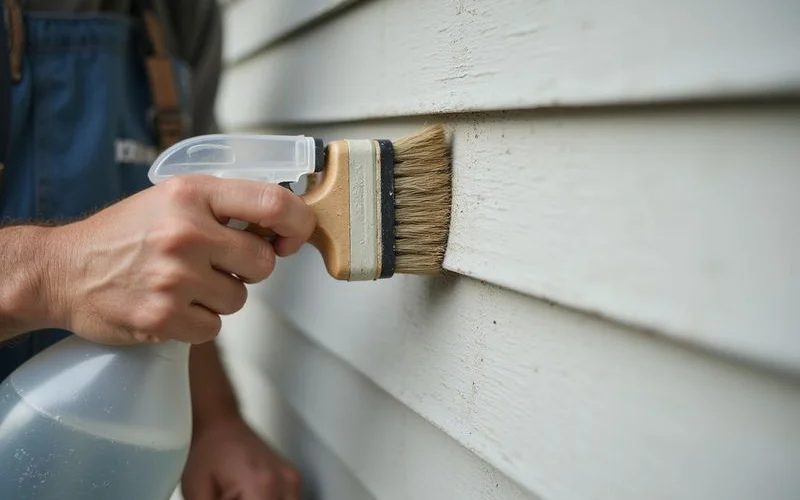
Ask the painter how they plan to clean and treat any mold or mildew before priming, and whether the paint they are using includes a mildewcide additive, especially for shaded or damp-prone areas of your home. If a painter offers to paint directly over visible mold or mildew without cleaning it first, treat that as a sign to get a second opinion.
Painters in the pressure washing and prep work category handle this kind of cleaning as a standalone service or as prep ahead of a paint job. For more on how listings are scored here, see the methodology page, or return to the homepage to browse painters.
Preventing regrowth after the paint dries
A fresh, treated coat of paint is not a permanent fix if the underlying moisture problem is never addressed. Shaded, damp corners of a house, areas beneath leaky gutters, and rooms with poor airflow are the most common repeat offenders for mildew. Trimming back overgrown landscaping that keeps a wall shaded and damp, clearing gutters so water is not running down the siding repeatedly, and running a bathroom fan longer after showers are all small habit changes that reduce the odds of mold returning within a year or two of a fresh paint job.
When it is more than a painting problem
Extensive mold, especially indoors covering more than a small area, sometimes points to a bigger issue than a painter alone can fix, like a hidden leak, poor insulation causing condensation, or inadequate ventilation in a bathroom or basement. In those cases, addressing the paint is really just the last step after a plumber, contractor, or ventilation specialist has resolved the root cause. A painter who spots signs of a deeper moisture problem while prepping a surface should flag it rather than simply painting over a symptom.
Common questions
- Can I just paint over mold or mildew?
- No. Paint does not kill mold or mildew, and sealing it under a fresh coat traps moisture and lets it keep growing underneath, often causing the new paint to fail early.
- How do I know if a stain is mold or just dirt?
- A simple test is dabbing a small amount of diluted household bleach on the spot. If the discoloration lightens noticeably within a couple of minutes, it is likely mold or mildew rather than plain dirt.
- Is mildew on exterior siding a health risk, or just cosmetic?
- Mostly cosmetic on the exterior itself, but mildew and mold spores can still affect people with allergies or respiratory sensitivities who spend time near the affected area, and any mold reaching interior walls is a more direct concern.
- What is the difference between pressure washing and soft washing for mold removal?
- Pressure washing uses high water pressure alone, which can damage delicate siding and does not always kill mold at the root. Soft washing uses lower pressure with cleaning solutions designed to kill mold and mildew, which many painters prefer as prep before a fresh coat.