How to save money on a paint job without cutting corners
By Dana Whitfield · Updated 2026-08-28
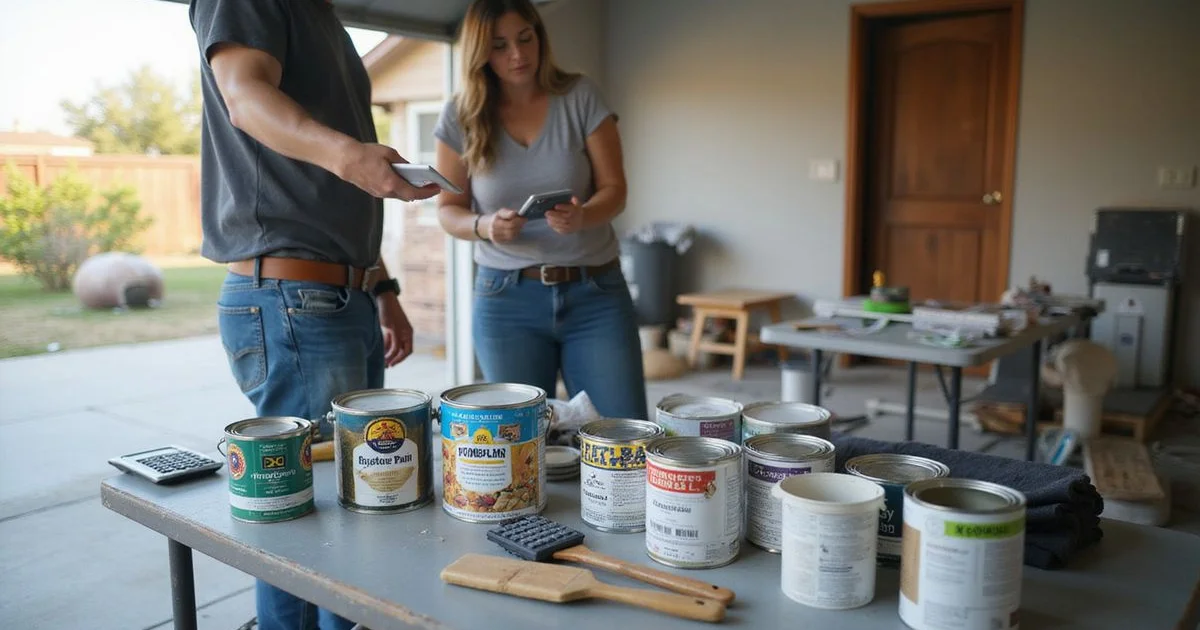
Cutting cost on a paint job usually goes one of two ways: smart choices that reduce labor or timing costs, or shortcuts that reduce quality and end up costing more later when the job needs redoing. Here is how to aim for the first kind.
Ways that genuinely save money
- Do the easy prep yourself. Moving furniture, taking down wall art, and clearing the room ahead of time reduces the painter’s setup labor without affecting the quality of the actual paint job.
- Combine rooms into one visit. A painter’s setup cost, drop cloths, ladders, mixing paint, is largely fixed per visit. Painting several rooms together spreads that cost over more square footage than booking rooms separately over time.
- Ask about off-season timing. Painters with a lighter booking schedule outside peak spring and fall demand sometimes have more flexibility on pricing or scheduling. It never hurts to ask directly.
- Choose a simpler color scheme. Fewer colors and less intricate trim work or accent walls mean less time spent on precise cutting-in work, which is one of the more labor-intensive parts of a paint job.
- Get multiple quotes and negotiate on scope, not just price. Instead of pushing a painter to simply lower their number, ask what could be adjusted, like fewer coats where appropriate, or a different paint tier, to hit your budget honestly.
Shortcuts that usually backfire
| Shortcut | Why it often costs more later |
|---|---|
| Skipping proper wall prep | Paint fails faster over unpatched or unsanded surfaces, requiring an earlier repaint |
| Choosing the cheapest possible paint | Often needs an extra coat to cover properly, eating into the labor savings |
| Hiring based on price alone, skipping insurance checks | A single accident or dispute can cost far more than the difference in quotes |
| Requesting fewer coats than recommended | Can leave uneven color or coverage that shows through, especially with a dramatic color change |
Being upfront about your budget
Painters generally respond well to a direct conversation about budget constraints, since it lets them suggest realistic adjustments, prioritizing the most visible rooms first, using a mid-tier paint instead of premium, or phasing a whole-house job into stages, rather than guessing at what you can afford. A painter who gets defensive or vague when you mention budget is worth a second opinion.
The real goal: value, not just a low number
The lowest quote is not automatically the best deal if it means thinner coverage, skipped prep, or a painter with no insurance backing the work. Aim for the lowest cost among quotes that still include proper prep, adequate coats, and a painter who can verify their licensing and insurance, rather than chasing the single cheapest number regardless of what it leaves out.
Spreading a large job over time
If a full-house repaint is out of reach right now, tackling it room by room over a year or two is a reasonable way to manage cost without settling for a rushed or incomplete job on any single space. This works best if you stick with the same painter for each phase, since they will already know your home’s specific quirks and can often offer more consistent pricing than starting fresh with a new painter each time. It is worth mentioning this plan upfront so the painter can advise on a sensible order, prioritizing rooms with the worst wear or a specific event coming up, like hosting family for a holiday.
Small maintenance habits that delay a full repaint
Wiping down walls near light switches and doorways periodically, addressing small scuffs with a bit of leftover paint soon after they happen, and keeping humidity in check in bathrooms and kitchens all extend the life of an existing paint job. None of this replaces a proper repaint once paint has genuinely aged out, but it can push that timeline back by a year or two, which adds up over the time you own a home.
If these steps still do not bring a job within reach, free and low-cost painting and home repair help in Bridgeport and Stamford covers assistance programs worth checking before ruling out a needed repaint entirely.
Ready to compare quotes? Visit the homepage to browse painters currently taking on work, or check the methodology page to see how this directory scores listings on pricing transparency and workmanship.
Common questions
- Is doing my own prep work a good way to save money?
- It can be, for tasks like moving furniture, removing wall art, and light cleaning, since it reduces the painter's labor hours. Be cautious about doing structural prep like patching or sanding yourself unless you are confident in the result, since a painter will still need to fix a poor patch job before painting over it.
- Does painting in the off-season actually save money?
- Sometimes. Painters with lighter schedules outside peak spring and fall booking season may offer more competitive pricing or more flexibility on timing, though this varies by painter and by how much demand fluctuates in a given year.
- Is it cheaper to buy my own paint instead of having the painter supply it?
- Not usually significant, since painters often get contractor pricing on paint that offsets or beats retail cost. It can also create disputes over product quality or warranty if you supply materials yourself, so most painters prefer to source it.
- Should I combine multiple rooms into one job to save money?
- Yes, generally. Painters price partly around setup time, so combining several rooms into a single visit spreads that fixed cost across more square footage than booking each room separately.