The best time of year to paint your home's exterior in Connecticut
By Dana Whitfield · Updated 2026-07-13
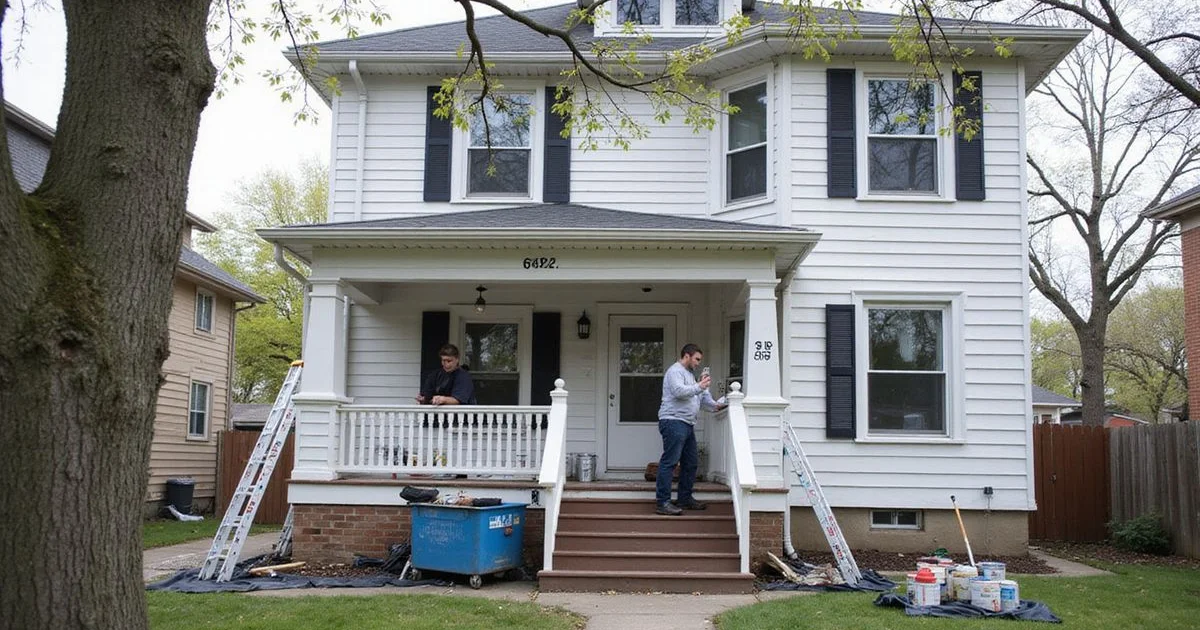
Connecticut’s weather gives exterior painters a real, if narrow, window each year, and timing your project around it affects both the quality of the finish and how easy it is to get on a good painter’s schedule.
Why the season matters more than it seems
Paint needs a fairly specific set of conditions to cure properly: warm enough temperatures, low enough humidity, and a stretch of dry weather. Painting outside that window does not always fail outright, but it raises the odds of problems that show up months later, like peeling, bubbling, or a finish that never fully hardens.
- Temperature. Most exterior paints need daytime temps consistently above 50°F and nighttime temps that do not drop near freezing during the curing period, which can take days after the surface feels dry to the touch.
- Humidity. High humidity slows drying and can trap moisture under the top coat, especially on wood siding.
- Rain. Surfaces need to be fully dry, not just rain-free, before painting starts. A recent storm can leave wood and stucco holding moisture below the surface even when it looks dry.
The Connecticut painting calendar
| Season | Conditions | What it means for your project |
|---|---|---|
| Spring (April - June) | Warming temps, variable rain | Good window once consistent dry stretches begin, typically mid-to-late May |
| Summer (June - August) | Warm, sometimes humid | Reliable for most jobs; early morning or evening scheduling helps in peak humidity |
| Early fall (September - mid-October) | Cooling but often dry | Strong window, and the busiest booking season |
| Late fall - winter (Late October - March) | Cold, unpredictable | Most exterior work pauses; some specialty low-temp products exist but are the exception |
Why booking early beats waiting
Every homeowner who wants their siding to look good before hosting a fall gathering or listing their house for sale is competing for the same September and October slots. Painters’ calendars for that window often fill up by mid-summer. Booking in spring, even for a late-summer or early-fall project date, gives you far more choice of painter and a better shot at your preferred timeline, and can leave more room to negotiate on price. See what exterior painting costs in Bridgeport and Stamford for typical ranges to compare against once quotes start coming in.
Signs a painter is cutting corners on timing
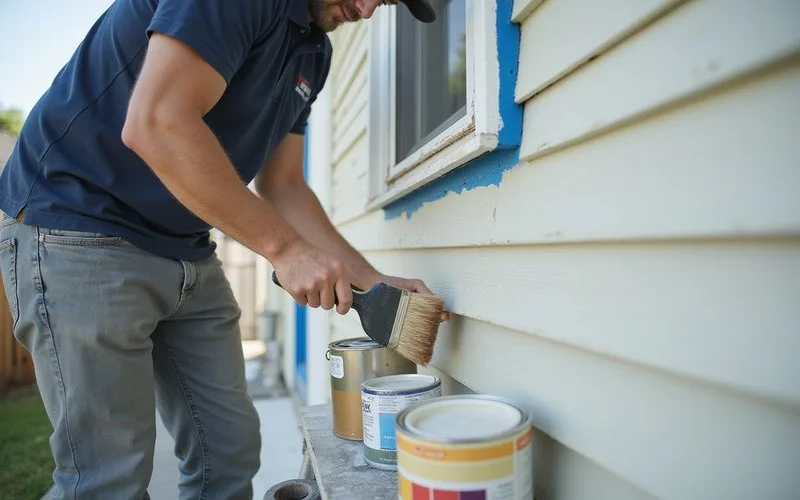
Be cautious of a painter willing to paint during a cold snap or right after a heavy rain without explaining how they are managing the risk. A reputable painter will either push a start date back a few days to let siding dry out, or explain specifically what low-temperature product they are using and why it is appropriate for the conditions. A painter with no clear answer is worth a second opinion.
If your project is time-sensitive, like getting a house ready for a fall sale or a specific event, mention that upfront when requesting quotes so painters can tell you honestly whether your ideal date is realistic given their existing schedule.
What about spot repairs outside the main season
A single trim touch-up or a small patch job is more forgiving of a shorter dry window than a full exterior repaint, since it involves less surface area and less risk if a small stretch of humid or cool weather follows. Painters sometimes squeeze in small exterior repairs during shoulder-season weeks that would not be reliable for a full job. If you have a specific problem area, like peeling paint near a downspout, it is worth asking a painter whether that alone could be handled outside the typical May-through-September window, even if a full repaint would have to wait.
Coordinating with prep work timing
Prep work like scraping, sanding, and pressure washing has its own weather sensitivity, since surfaces need real drying time before a primer coat or paint goes on. A painter who front-loads prep work during a slightly cooler or damper stretch, then times the actual painting for a clear, dry run of days, can sometimes work around a narrower ideal window than the painting alone would suggest. This is one more reason a detailed conversation about scheduling, not just a target month, helps set realistic expectations for both sides.
Browse the exterior painting category to find painters currently booking for the season, check the methodology page for how listings are scored, or start from the homepage to compare options.
Common questions
- What is the best month to paint a house exterior in Connecticut?
- Late spring through early fall, roughly May through September, gives paint the most reliable conditions: daytime temperatures typically above 50°F, low humidity, and less risk of rain interrupting a fresh coat before it cures.
- Can exterior painting happen in the fall?
- Yes, into October in most years, as long as daytime temperatures stay warm enough for the paint to cure properly and nights are not dropping near freezing. It is the busiest booking season, so schedules fill up fast.
- Why does humidity matter for exterior paint?
- High humidity slows drying and curing time, which can trap moisture under the surface and lead to bubbling or a soft, tacky finish that never fully hardens.
- Is it a problem to paint right after it rains?
- Siding needs to be fully dry before painting, not just rain-free. Wood and stucco especially can hold moisture for a day or more after a storm, even once the surface looks dry.