Repainting before you sell your home: what buyers notice
By Dana Whitfield · Updated 2026-08-16
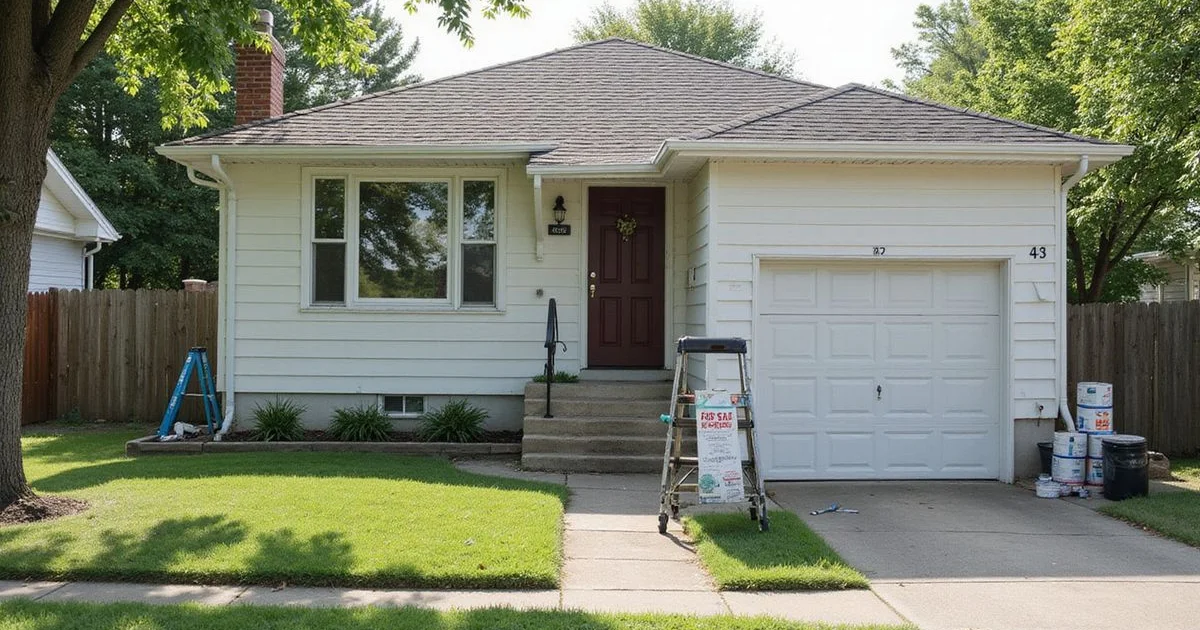
A fresh coat of paint is one of the highest-return updates before selling a home, mainly because it is relatively affordable and directly affects how buyers perceive the whole space. Knowing where it actually matters helps you spend the budget where it counts instead of repainting everything out of caution.
Where buyers notice first
- The exterior and front entry. This forms a buyer’s first impression before they even walk in, and it is the backdrop for listing photos that determine whether someone books a showing at all.
- The kitchen and living areas. These get the most attention during a showing and are where dated or bold colors most distract from a buyer picturing their own furniture in the space.
- The primary bedroom and bathrooms. Buyers scrutinize these closely, and a scuffed or heavily personalized color here can undercut an otherwise strong listing.
Where you can often skip it
Rooms that are already a neutral, well-maintained color, closets, and low-visibility utility spaces like a laundry room or basement storage area are usually lower priority, especially if budget or timeline is tight. Spending on a full repaint of every room rarely returns as much as focusing the budget on the spaces that matter most to a buyer’s first impression.
| Area | Priority before listing | Why |
|---|---|---|
| Exterior and front entry | High | First impression, listing photos |
| Kitchen and main living areas | High | Most scrutinized during showings |
| Primary bedroom, bathrooms | Medium-high | Personal spaces buyers picture themselves using |
| Guest bedrooms, hallways | Medium | Matters if colors are dated or worn |
| Closets, basement storage | Low | Rarely a factor in buyer decisions |
Choosing colors that help, not hurt
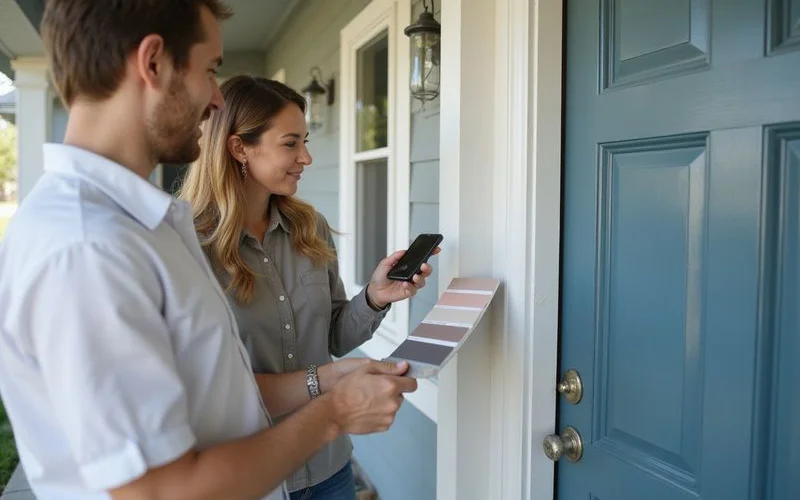
Warm, soft neutrals tend to perform best for resale, since they read as a blank canvas rather than steering a buyer’s taste one way or another. Bold accent walls or highly saturated colors can work well for personal enjoyment but often become a mental subtraction for buyers who picture the cost and hassle of repainting before move-in.
DIY touch-ups versus hiring a pro
A quick DIY touch-up can make sense for small, low-visibility jobs, like refreshing a scuffed baseboard or a single wall with a minor mark. It is a riskier move for anything a buyer or their agent will look at closely. Uneven rolling, visible lap marks, or a color that does not quite match the surrounding trim can read as a cut corner and raise more questions than the original wear did. For the exterior, primary living spaces, and anything involving real prep work like scraping or patching, a professional finish is usually worth the cost, since a sloppy DIY job in a highly visible area can undercut the exact first impression you are trying to build. See what exterior painting costs in Bridgeport and Stamford for typical ranges to budget against.
Sellers on a tight timeline sometimes underestimate how long painting actually takes once furniture has to move and multiple coats need to dry between passes. Building in a buffer of a few extra days beyond what feels necessary avoids a rushed job right before your first open house.
Timing it around your sale
Painting too far ahead of listing risks scuffs and wear before showings even start, especially with movers or ongoing packing in the house. Painting too close to your listing date risks lingering odor or a rushed job. A window of two to four weeks before your first showing generally gives paint time to fully cure and odor time to clear, while staying close enough to listing that the finish still looks fresh. If the exterior is part of the plan, the best time of year to paint your home’s exterior in Connecticut covers the seasonal window that keeps a rushed pre-sale job from working against you.
Weighing paint against other pre-sale updates
Sellers often have to choose between several updates on a limited budget, and paint typically returns more per dollar spent than larger projects like flooring or a kitchen remodel, since it is relatively fast and directly addresses what buyers see first. If your budget only stretches to one or two updates, a fresh coat on the exterior and the main living areas usually does more for a listing’s first impression than a partial renovation elsewhere in the home.
Ready to get quotes for a pre-sale repaint? Visit the homepage to browse painters, or check the methodology page to see how listings in this directory are scored.
Common questions
- Do I need to repaint my whole house before selling?
- Not always. Focus first on rooms with dated, bold, or heavily worn colors and on the exterior if it is visibly faded or peeling, since those affect first impressions the most. A full whole-house repaint is not always necessary if most rooms are already neutral and in good condition.
- What color should I paint before selling?
- Warm or soft neutrals tend to help most buyers picture their own furniture and decor in the space, more so than bold or highly personal color choices, which can be visually distracting during a showing.
- Is exterior or interior painting more important before selling?
- Exterior matters most for first impressions and listing photos, since it is the first thing buyers see. Interior matters most once buyers are inside and forming a room-by-room impression, particularly in the kitchen, living areas, and primary bedroom.
- Should I repaint before or after a home inspection?
- Before, if peeling or damaged paint might raise questions during inspection, especially on an older exterior. Fresh paint will not hide underlying issues an inspector is trained to spot, but it does address peeling or cracking paint itself as a visible concern.