Wallpaper installation: what to expect from start to finish
By Dana Whitfield · Updated 2026-06-22
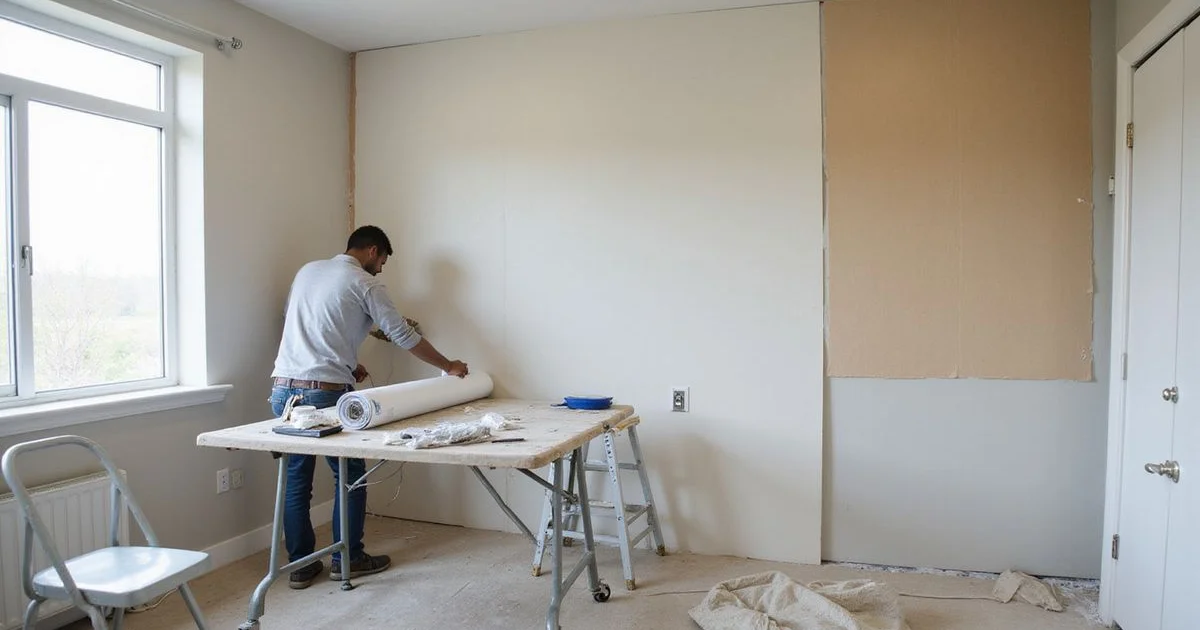
Wallpaper has a reputation for being fussy to install, and in a sense that reputation is earned: pattern matching, seam placement, and wall prep all take more precision than rolling paint. Knowing what a professional installation actually involves makes it much easier to judge a quote and a finished job.
Before the crew arrives
A good installer starts with the walls, not the paper. That means checking for:
- Surface condition. Cracks, dents, and old nail holes get patched and sanded smooth, since wallpaper shows every bump underneath it far more than paint does.
- Old wallpaper or peeling paint. Existing paper generally needs to come off first. Peeling or glossy paint may need light sanding so primer and adhesive can bond properly.
- Priming or sizing. A coat of primer, sometimes a wallpaper-specific sizing product, seals the wall and gives the paste something even to grip. Skipping this step is one of the most common reasons wallpaper fails to hold or becomes difficult to remove later.
The installation itself
Once the walls are ready, installation generally follows this order:
- Measuring and planning the layout, including where seams will fall and how the pattern lines up across each wall, especially at a focal point like a fireplace or the wall opposite a doorway.
- Cutting the panels with extra length top and bottom for trimming after the panel is hung and settled.
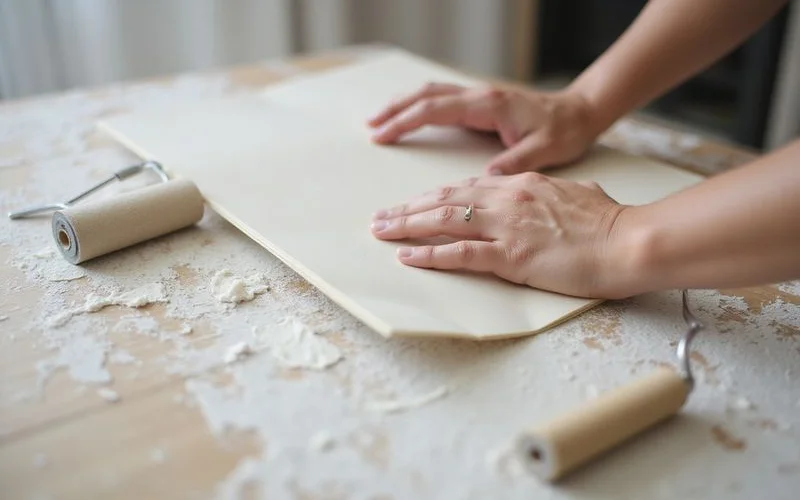
- Applying adhesive to the wall or paper, depending on the wallpaper type, then hanging each panel and smoothing it with a brush or plastic smoother to push out air bubbles.
- Matching the pattern panel to panel, which is the slowest part of the job and the main reason wallpaper installation takes longer than painting the same wall area.
- Trimming excess paper at the ceiling line, baseboards, and around outlets or switches, then wiping away any adhesive that squeezed out at the seams.
What affects the timeline
| Factor | Effect on timeline |
|---|---|
| Pattern with a large repeat | More cutting and matching, adds time |
| Textured or heavily patterned wall (like an accent wall) | Usually faster, since it is a smaller area |
| Old wallpaper needing removal first | Adds a half day or more before installation starts |
| Corners, alcoves, and lots of outlets | Slower cutting and fitting around obstacles |
A straightforward accent wall with a simple pattern might wrap up in a few hours. A bedroom with a large-repeat pattern and several corners can take a full day or more, even before accounting for any old paper that has to come off first.
What a finished job should look like
Seams should sit flush, without visible gaps or overlapping edges, and pattern lines should carry across seams without an obvious jump. Corners and outlet cutouts should be clean, without torn edges or exposed wall underneath. If you see bubbling within the first few days, that usually points to a wall that was not fully sealed or dried before the paper went up, worth raising with the installer while it is still fresh.
Choosing between paper types
Traditional pasted wallpaper generally gives the most durable, longest-lasting result and is a common choice for a room you plan to keep the same look in for years. Peel-and-stick wallpaper trades some of that durability for easier removal, which can suit a rental or a room where you expect to change the look again within a few years. A professional installer can advise on which type fits your specific wall condition and how long you expect to keep the pattern, since not every wallpaper style is available in both formats.
Before you settle on an installer, the red flags and questions to ask before you hire a painter guide applies just as much to wallpaper crews as it does to painters, since the same vetting steps around licensing, references, and written estimates hold up across both trades.
Caring for wallpaper after installation
Freshly installed wallpaper needs a few days to fully set before it is wiped down or exposed to significant humidity changes, so hold off on cleaning visible smudges right away unless the installer says otherwise. Going forward, most wallpaper can be spot-cleaned with a barely damp cloth, though textured or delicate patterns may need a gentler approach. Asking your installer for care instructions specific to the paper they used avoids accidentally damaging a fresh installation.
Ready to compare installers? Browse the wallpaper installation category for painters who take on this kind of work, check the methodology page to see how listings are scored, or head back to the homepage to start a search.
Common questions
- How long does it take to wallpaper one room?
- A single average bedroom or accent wall usually takes a professional installer one full day, including wall prep. A full room with multiple walls and pattern matching can take one to two days.
- Do walls need to be painted or primed before wallpaper goes up?
- Yes, in most cases. A coat of primer or sizing helps the paper adhere evenly and makes future removal much easier, especially over drywall that has never been papered before.
- Can wallpaper go over existing wallpaper?
- It is possible in some cases, but installers generally recommend removing old paper first. Extra layers can trap moisture and lead to bubbling or peeling later, and pattern lines from the old paper can telegraph through the new one.
- What is the difference between strippable and traditional wallpaper?
- Strippable wallpaper pulls off the wall cleanly in one piece when it is time to remove it. Traditional wallpaper often comes off in layers and can leave adhesive residue that needs to be steamed or scraped away.